
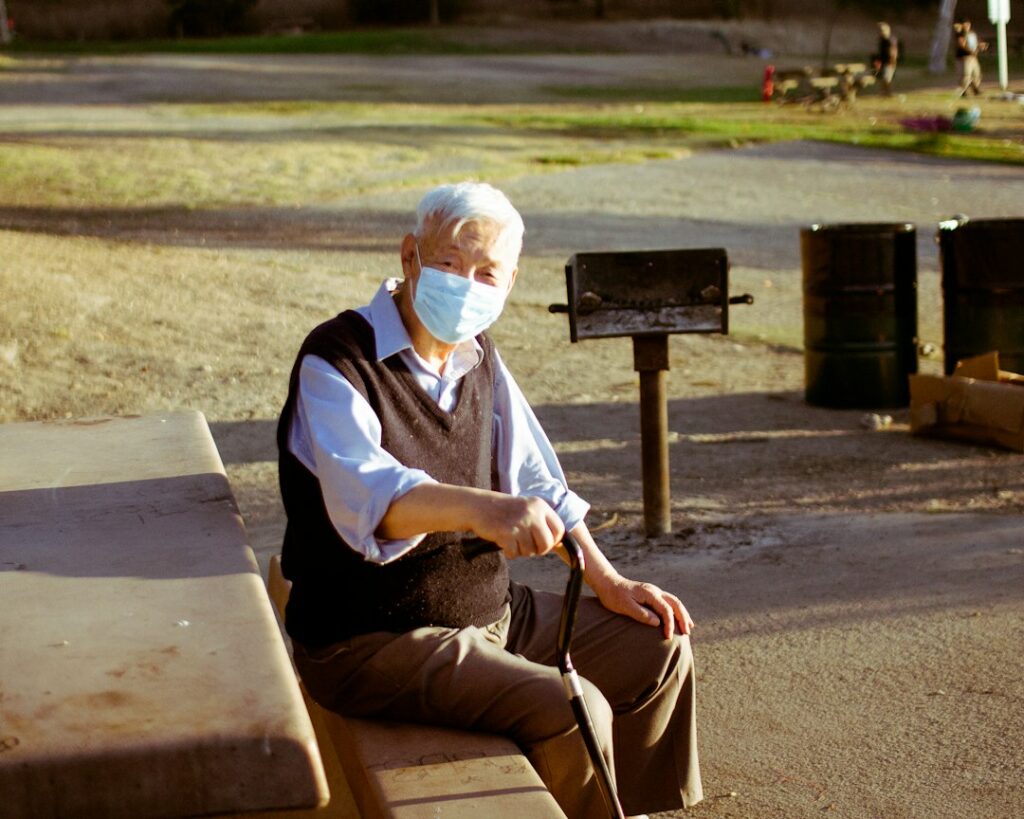
Assisted living safety depends on more than preventing falls. Effective protocols also reduce infections, support safe medication use, prepare for emergencies, and give residents and families clear ways to report concerns. In Mahanoy City, seasonal cold weather, snow, ice, and occasional service disruptions can add practical challenges to everyday safety planning.
What safety protocols should an assisted living residence have?
A safe residence should use written procedures for infection control, emergency response, medication management, falls, missing residents, fire prevention, severe weather, and communication with families. Staff should know their roles before an emergency occurs, not try to create a plan during one.
Pennsylvania personal care homes and assisted living residences are licensed settings with state requirements designed to protect residents’ health, safety, and well-being. Families can reasonably ask how a residence handles:
- New illness or suspected outbreaks
- Falls and injuries
- Medication errors or missed doses
- Fire alarms, evacuations, and sheltering in place
- Heating or power interruptions
- Changes in a resident’s behavior, mobility, or medical condition
- Notifications to families and emergency contacts
A strong safety program also includes routine staff training, incident documentation, equipment checks, and review of past problems to prevent them from happening again.
How is infection spread reduced in assisted living?
Infection prevention relies on everyday habits combined with rapid action when someone develops symptoms. Hand hygiene, cleaning, ventilation, vaccination, respiratory etiquette, and staying home when ill all work together.
Residents, visitors, and staff should clean their hands:
- Before eating or handling food
- After using the bathroom
- After coughing, sneezing, or blowing the nose
- Before and after helping with personal care
- After touching soiled laundry, waste, or bodily fluids
- Before and after assisting with medications or medical devices
Alcohol-based hand sanitizer is useful when hands are not visibly dirty. Soap and water are preferred when hands are soiled or after certain types of contamination. Hand sanitizer should be available near entrances, dining areas, elevators, shared equipment, and other high-traffic locations.
Coughs and sneezes should be covered with a tissue or the inside of the elbow. Used tissues belong in a lined waste container, followed by hand cleaning.
What should happen when a resident develops symptoms?
A new cough, sore throat, runny nose, fever, unusual tiredness, vomiting, diarrhea, dizziness, or sudden behavior change should be reported promptly. Older adults do not always show infection through fever or obvious respiratory symptoms.
The residence should have a process for:
1. Noticing and documenting symptoms
2. Notifying the appropriate clinical contact
3. Determining whether testing is needed
4. Separating or limiting exposure to other residents when appropriate
5. Increasing cleaning and use of protective equipment
6. Communicating with family members according to the resident’s permissions
7. Watching for worsening symptoms or signs of an emergency
Temporary changes to dining, group activities, visitation, or room arrangements may be appropriate during an outbreak. These measures should be explained clearly and applied as narrowly as possible while protecting residents from unnecessary isolation.
Visitors should postpone nonessential visits when experiencing respiratory symptoms, vomiting, diarrhea, or a confirmed contagious illness. If a visit cannot reasonably be delayed, the residence may recommend masking or other precautions.
How do cleaning and ventilation support prevention?
Frequently touched surfaces require regular cleaning, including door handles, handrails, elevator buttons, tables, light switches, bathroom fixtures, walkers, and shared activity equipment. Cleaning and disinfecting are not identical: cleaning removes dirt, while disinfecting uses an appropriate product to reduce germs on a surface.
Products should be used according to their labels, including the required contact time. Reusable equipment should be cleaned between users when appropriate. Soft furnishings, laundry, food-service areas, and bathrooms require procedures suited to their specific risks.
Fresh air and functioning ventilation can also reduce the concentration of respiratory particles indoors. During periods of increased respiratory illness, residences may review air circulation, avoid overcrowding, use outdoor spaces when practical, and consider masking or other precautions based on current conditions.
Seasonal conditions in Mahanoy City can make indoor air quality especially relevant during cold months, when windows may remain closed and residents spend more time inside. Ventilation improvements should never create unsafe cold temperatures or drafts for residents who are sensitive to them.
How are falls and other physical injuries prevented?
Fall prevention begins with identifying individual risks rather than assuming every resident needs the same restrictions. Staff should understand a resident’s mobility, vision, balance, footwear, medication effects, and history of falls.
Helpful measures may include:
- Clear walking paths and well-lit hallways
- Secure handrails and properly fitted mobility aids
- Dry floors and prompt cleanup of spills
- Non-slip footwear
- Frequently used items within easy reach
- Adequate lighting at night
- Assistance with transfers when needed
- Review of dizziness, weakness, or medication side effects
- A plan for responding after a fall, even when no injury is immediately visible

Snow, ice, wet entryways, and bulky winter clothing can increase hazards around entrances and outdoor paths. Residents and families may ask how the residence manages traction, transportation access, and safe movement during winter weather.
A fall followed by head impact, severe pain, loss of consciousness, new confusion, inability to stand, or unusual sleepiness requires urgent medical evaluation.
What medication safeguards should families look for?
Medication safety requires accurate records, secure storage, correct timing, and documentation of each dose. Staff should know which medications require special handling and what to do if a resident refuses, vomits after taking, or accidentally receives an incorrect dose.
Families should ask how the residence:
- Verifies medication orders
- Records administration
- Handles missed or refused doses
- Monitors for side effects
- Communicates medication changes
- Reviews medications after hospitalization
- Prevents residents from accidentally taking another person’s medication
Residents should not be encouraged to change, stop, or share medication without guidance from the prescribing clinician or pharmacist. New confusion, extreme sleepiness, unusual bleeding, severe diarrhea, breathing difficulty, or a suspected overdose should be reported immediately.
How should emergencies and severe weather be handled?
Every resident should have an updated emergency contact plan, a record of essential medications, mobility needs, allergies, communication preferences, and relevant medical information. Families should tell the residence promptly about changes in phone numbers, emergency contacts, advance directives, or transportation needs.
Emergency planning should address fire, medical emergencies, severe storms, flooding, extended power loss, heating problems, and staffing shortages. A residence should be able to explain how it will maintain food, medication access, temperature control, supervision, and communication if normal operations are disrupted.
Residents who rely on oxygen, powered medical equipment, refrigerated medications, walkers, or wheelchairs may need individualized backup arrangements. Families should understand what assistance is available and what information they are expected to provide.
What can residents and families do every day?
Residents and visitors are part of the safety system. Speaking up early is usually more helpful than waiting for a problem to become serious.
Report:
- New symptoms or exposure to contagious illness
- Unsafe floors, poor lighting, or blocked walkways
- Missing hand sanitizer, soap, or tissues
- Medication concerns
- Repeated dizziness or weakness
- Changes in appetite, alertness, mood, or behavior
- Staff members who appear to skip required precautions
- Delays in responding to urgent needs
Questions about safety should receive a clear answer, not dismissal. Families may ask to review the residence’s general infection-control and emergency procedures, learn how incidents are reported, and understand who should be contacted after an injury or suspected outbreak.
A safe assisted living environment protects residents while preserving dignity, social connection, and as much independence as possible. Good protocols are visible in daily routines: clean hands, clear hallways, timely communication, careful observation, and a prepared response when conditions change.
