
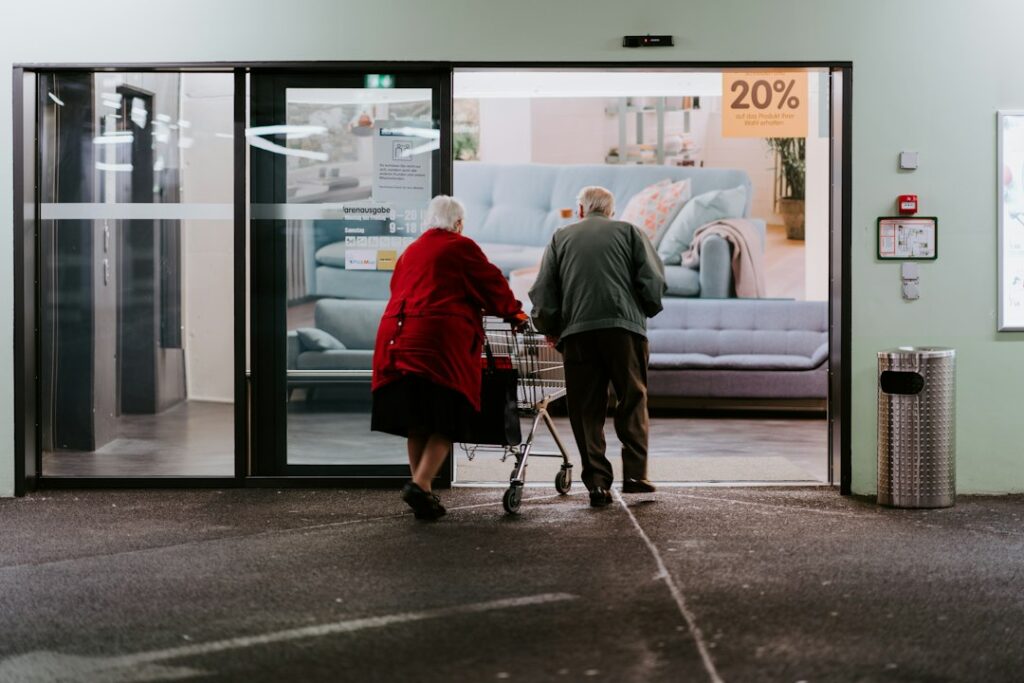
Why mobility matters in assisted living
Assisted living can support senior mobility by combining safe surroundings, daily movement, personal assistance, and activities that match each resident’s abilities. The goal is not simply to help someone walk farther. It is to preserve independence in everyday tasks such as standing from a chair, moving between rooms, bathing, dressing, and participating in community life.
Mobility can change gradually. A person may begin avoiding stairs, limiting outings, or staying seated because of arthritis, weakness, balance concerns, vision changes, or fear of falling. Less movement can then lead to additional loss of strength. Assisted living is designed to interrupt that cycle through regular opportunities to move and appropriate support when movement is difficult.
How does assisted living encourage daily movement?
Assisted living communities are typically organized so residents can walk to meals, activities, common areas, and outdoor spaces without managing a large private home alone. This creates natural movement throughout the day.
A resident may walk to breakfast, visit a common room, attend an activity, and return to an apartment with assistance as needed. These short trips may appear modest, but repeated movement helps maintain leg strength, endurance, confidence, and familiarity with walking routes.
Staff support can also reduce the temptation to remain inactive. If a resident needs help getting out of bed, using a walker, or transferring from a chair, assistance may make it possible to participate rather than skip an activity altogether. Support should encourage safe independence rather than replace every task a resident can still perform.
What types of exercise help older adults stay mobile?
Effective mobility programs usually include a combination of strength, balance, flexibility, and endurance activities. The right level depends on a resident’s health history, functional ability, pain, and medical guidance.
Common examples include:
- Seated or standing leg exercises
- Repeated sit-to-stand practice
- Gentle stretching for the hips, shoulders, and legs
- Walking in hallways or designated outdoor areas
- Balance exercises performed near a stable support
- Light resistance-band activities
- Dancing, chair exercise, or other group movement programs
- Tai chi or similar slow, controlled activities when suitable
Strength exercises can make transfers and walking easier. Balance practice can improve body control. Stretching may support comfortable movement, while walking and other endurance activities help residents tolerate daily activity for longer periods.
Exercise does not have to be strenuous to be useful. For someone with limited stamina, several short periods of movement may be safer and more realistic than one long session.
How do staff help residents move safely?
Staff may assist with mobility according to a resident’s assessment and individualized support plan. That assistance can include reminders, supervision, verbal cues, hands-on help, or support with equipment such as a walker or wheelchair.
A resident who can walk independently but becomes unsteady when tired may need supervision at certain times of day. Another person may need help rising from a chair but be able to walk once standing. Recognizing these differences helps prevent both under-support and unnecessary dependence.
Safe assistance also includes observing changes. New shuffling, slower walking, repeated near-falls, increased reliance on furniture, or difficulty standing may signal a health problem. Changes can be related to infection, medication effects, dehydration, pain, neurological conditions, or a recent injury. Prompt communication with the resident’s healthcare team may be necessary.
How does the physical setting affect mobility?
The environment can either support movement or create obstacles. Well-planned assisted living areas generally aim to provide clear walking paths, adequate lighting, handrails where appropriate, accessible bathrooms, and seating for rest.
This is especially relevant during winter in Mahanoy City, when snow, ice, freezing temperatures, and shorter daylight hours can make outdoor walking more hazardous. Indoor walking routes and organized activities give residents opportunities to stay active when outdoor conditions are poor.
Within a private living space, practical details matter. Loose rugs, clutter, poorly placed furniture, low lighting, and cords can interfere with safe movement. Appropriate footwear, properly fitted mobility equipment, and frequently used items placed within easy reach can also reduce unnecessary strain.
A safer environment does not eliminate fall risk, but it can make everyday movement more predictable.
Does assisted living prevent falls?
Assisted living cannot prevent every fall, but it may reduce certain risks through supervision, exercise, environmental design, and timely response to changes in mobility.
Fall prevention may involve:
- Reviewing walking ability and transfer needs
- Encouraging strength and balance activities
- Checking whether a mobility aid is being used correctly
- Keeping pathways clear
- Improving lighting in bedrooms, bathrooms, and hallways
- Watching for dizziness, weakness, or medication-related problems
- Offering help during higher-risk activities, such as bathing or nighttime toileting

Fear of falling can itself reduce activity. Residents may avoid walking because they worry about embarrassment or injury. Calm encouragement, gradual practice, and assistance that respects privacy can help rebuild confidence.
A fall or near-fall should not be dismissed as an unavoidable part of aging. It may identify a correctable risk or a change that deserves medical attention.
Can residents with walkers or wheelchairs still improve mobility?
Yes. Mobility is not limited to walking without equipment. A person who uses a walker may improve standing tolerance, balance, walking distance, or ability to transfer. Someone who uses a wheelchair may work on safe transfers, upper-body strength, reaching, or moving independently over appropriate surfaces.
The focus should be functional ability rather than comparison with other residents. Progress might mean walking to meals instead of eating in the room, completing more of a dressing routine, standing long enough to participate in an activity, or transferring with fewer prompts.
Wheelchairs and walkers should not be viewed automatically as signs that movement has ended. When properly fitted and used as directed, mobility devices can provide stability and allow a person to participate more safely.
What should families ask about mobility support?
Families considering assisted living can ask specific questions rather than relying on general descriptions of activities. Useful questions include:
- How are mobility needs assessed before and after move-in?
- What happens if a resident’s walking ability changes?
- Are walking, balance, or strength activities offered regularly?
- Can residents participate at different ability levels?
- How are walkers, wheelchairs, and transfer needs handled?
- How are falls and near-falls documented and communicated?
- What indoor options are available during severe winter weather?
- How are residents encouraged to do tasks they can still complete independently?
The answers can help families understand whether mobility is treated as part of everyday care or only addressed after a problem occurs. A supportive approach preserves safety while allowing residents to make choices, remain active, and use their abilities as fully as possible.
What is a realistic mobility goal?
A realistic goal is specific, meaningful, and connected to daily life. “Improve strength” may be useful clinically, but “walk to the dining room with a walker,” “stand safely to brush teeth,” or “join a group activity twice a week” gives residents and families a clearer way to measure progress.
Goals should be adjusted for pain, fatigue, medical conditions, and changing abilities. Movement should never be forced, and new exercise should be discussed with the appropriate healthcare professional when a resident has significant pain, recent surgery, serious balance problems, or a sudden decline.
Assisted living supports mobility best when movement is built into ordinary routines, staff assistance is individualized, and safety measures do not unnecessarily limit independence.
