
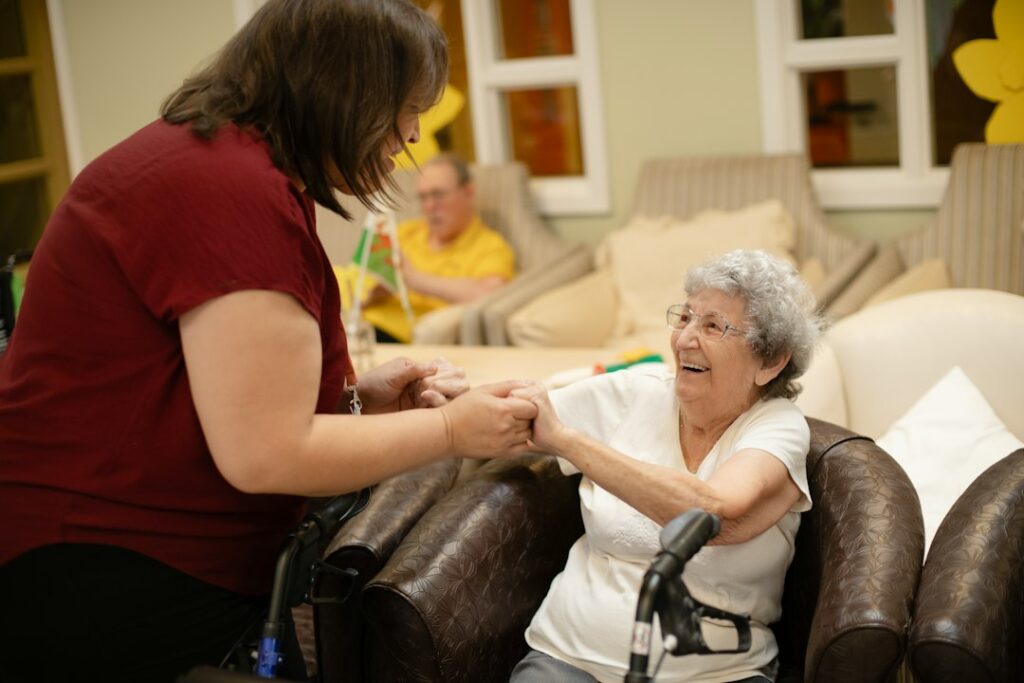
Choosing the right level of care starts with a simple question: What help is needed to remain safe, healthy, and as independent as possible? The answer may involve support at home, a personal care home, an assisted living residence, memory care, or skilled nursing.
For households in Mahanoy City, the decision can feel especially difficult when winter weather, older housing, transportation limits, or a sudden hospitalization changes what is practical. A careful assessment helps prevent choosing too little support—or paying for a setting that provides more medical care than necessary.
What does “level of care” mean?
A level of care describes the amount and type of help a person needs with daily activities, health conditions, supervision, and safety. It is not determined by age alone.
The most useful assessment looks at:
- Physical ability, including walking, transferring, bathing, dressing, eating, and toileting
- Cognitive ability, including memory, judgment, orientation, and decision-making
- Medication needs and the ability to take prescriptions correctly
- Medical conditions, including diabetes, oxygen use, wounds, or frequent illness
- Behavioral or emotional concerns
- Fall risk and the ability to respond during an emergency
- The amount of reliable help available from family, friends, or paid caregivers
Needs can change gradually or quickly. A person may manage well in familiar surroundings during summer but struggle after an illness, during icy weather, or when a caregiver becomes unavailable.
Is staying at home still safe?
Home may remain appropriate when a person can complete most essential activities safely with limited support. Assistance might include meal preparation, housekeeping, transportation, medication reminders, bathing help, or regular check-ins.
Look beyond whether the person can manage on a “good day.” Consider what happens when:
- A shower is missed because of weakness or fear of falling
- Snow or ice makes an entrance, walkway, or transportation unsafe
- A prescription is forgotten or taken twice
- A stove, space heater, or locked door creates a safety concern
- A family caregiver cannot visit because of work, illness, or travel
- The person becomes confused overnight or cannot summon help
A home plan may work when support is dependable and the living space can be made safer. It becomes less reliable when several daily tasks are missed, emergencies occur repeatedly, or supervision is needed throughout the day and night.
When is a personal care home or assisted living residence appropriate?
A personal care home or assisted living residence may fit someone who needs help or supervision with daily activities but does not require continuous skilled nursing care.
In Pennsylvania, personal care homes generally provide residential support, meals, supervision, and assistance with tasks such as bathing, dressing, walking, toileting, personal hygiene, and medications. Assisted living residences offer similar services and are designed to support greater independence, personal choice, and the possibility of aging in place. Available services differ by residence, so the license type alone does not answer whether a setting can meet a particular person’s needs.
This level of care may be suitable when a person:
- Needs regular help with several activities of daily living
- Is unsafe living alone but does not need hospital-level treatment
- Benefits from meals, housekeeping, activities, and daily structure
- Needs medication assistance or supervision
- Has mild to moderate memory problems that can be managed in the setting
- Needs access to health services without 24-hour nursing care
Ask how the residence handles increasing needs. A setting that meets today’s needs may not be suitable if it cannot safely manage more help with transfers, incontinence, dementia-related behaviors, or mobility.
What signs suggest skilled nursing care may be needed?
Skilled nursing is intended for people who need ongoing medical treatment or nursing oversight beyond the scope of ordinary residential assistance.
Possible indicators include:
- Continuous skilled nursing care
- Complex wounds that require regular clinical treatment
- Frequent medical instability
- Dependence on medical equipment that staff are not trained to manage
- Severe mobility limitations requiring extensive physical assistance
- Repeated hospitalizations or emergency episodes
- A need for rehabilitation after a serious illness, injury, or surgery
A person may need short-term skilled nursing for rehabilitation and later move to a less intensive setting. Others may need long-term nursing care because medical needs cannot be safely managed in a residential environment.

A physician, nurse, hospital discharge team, or formal care assessor may be needed when the situation involves complex medical decisions or unclear discharge requirements.
How does dementia affect the decision?
Dementia does not automatically mean that nursing care is required. The right setting depends on the person’s safety, behavior, mobility, medical needs, and ability to participate in daily routines.
Important questions include:
- Does the person wander or try to leave unsafely?
- Can the person recognize hazards such as traffic, stairs, appliances, or extreme weather?
- Are medications taken correctly?
- Is nighttime supervision needed?
- Are there episodes of aggression, hallucinations, or severe anxiety?
- Can staff respond appropriately to confusion or changes in behavior?
A residence serving people with cognitive impairment should explain its dementia programming, supervision practices, secured areas if applicable, staff training, and procedures for changes in condition. Memory support should not be judged only by a label. The actual staffing, layout, routines, and response plan matter more.
What should families ask before selecting a setting?
Before making a decision, compare the person’s real needs with the services available. Ask for written information about:
- Which daily activities staff can assist with
- Whether medication administration is available
- How care needs are assessed and updated
- What happens after a fall, illness, or hospitalization
- Whether physical therapy, home health, hospice, or other supplemental services can be arranged
- How dementia-related needs are handled
- Staff availability overnight
- Emergency response procedures
- Extra charges for higher levels of assistance
- Conditions that could require transfer to another setting
- Policies for winter transportation, power outages, and severe weather
Visit more than once, including during a meal or evening period. Observe whether staff speak respectfully, whether residents appear clean and comfortable, and whether help is provided promptly. A quiet visit during the middle of the day may not show what staffing and response are like overnight.
In Pennsylvania, personal care homes and assisted living residences must be licensed and are inspected by the Department of Human Services. A license is a basic safety requirement, not a guarantee that every setting is appropriate for every resident. The service agreement, assessment, fees, and discharge policies should be reviewed carefully.
How can the decision remain flexible?
The best choice is usually the safest setting that meets current needs while allowing reasonable room for change. Planning only for the present can lead to another move after a fall or medical setback. Choosing the most intensive setting immediately can reduce independence unnecessarily.
Write down the person’s current abilities, assistance needed, medical conditions, preferences, and likely changes over the next year. Reassess after hospitalization, repeated falls, weight loss, medication problems, worsening confusion, or caregiver burnout.
The goal is not to find a permanent label. It is to match support with actual needs, protect dignity, and make sure the person can receive more help if health or safety changes.
