
What are intergenerational activities in assisted living?
Intergenerational activities bring older adults and younger people together for shared experiences, conversation, learning, or creative work. In an assisted living setting, these activities may include visits with children, projects with teenagers, conversations with college students, or community events involving families.
The purpose is not simply to provide entertainment. Meaningful interaction across generations can support emotional well-being, reduce loneliness, encourage movement, and help residents remain connected to everyday community life.
Activities can be organized in many settings, including common rooms, outdoor areas, libraries, schools, family homes, and community gathering spaces. In Mahanoy City, seasonal weather and winter travel conditions may make indoor programs especially useful during colder months, while warmer seasons can support outdoor gardening, walking, and storytelling activities.
How do intergenerational activities benefit older adults?
Older adults often benefit from having regular opportunities to share knowledge, interests, and personal stories. Intergenerational programs can provide a sense of purpose because residents are not only receiving care or participating in activities; they are also contributing something valuable.
Potential benefits include:
- More frequent social interaction
- Reduced feelings of isolation
- Greater enjoyment and anticipation of daily routines
- Opportunities to share life experience and practical knowledge
- Increased mental stimulation
- Encouragement to move, create, or participate
- Stronger connections with families and the wider community
A resident who teaches a child how to play a card game, explains a family recipe, or describes work and household traditions may feel recognized for personal experience that cannot be found in a textbook. Younger visitors also gain a more personal understanding of history and aging.
These benefits do not require every resident to participate in a large group. A quiet conversation between two people may be more comfortable and meaningful than a crowded event.
Can these activities help with loneliness?
They can help, particularly when visits are consistent and designed around genuine interaction rather than brief appearances. Loneliness is not always solved by being near other people. Residents usually benefit more from activities that encourage conversation, cooperation, or shared attention.
For example, a program may pair residents and children to:
- Assemble simple craft projects
- Look through family-friendly photo prompts
- Read short stories aloud
- Work on puzzles
- Share music from different generations
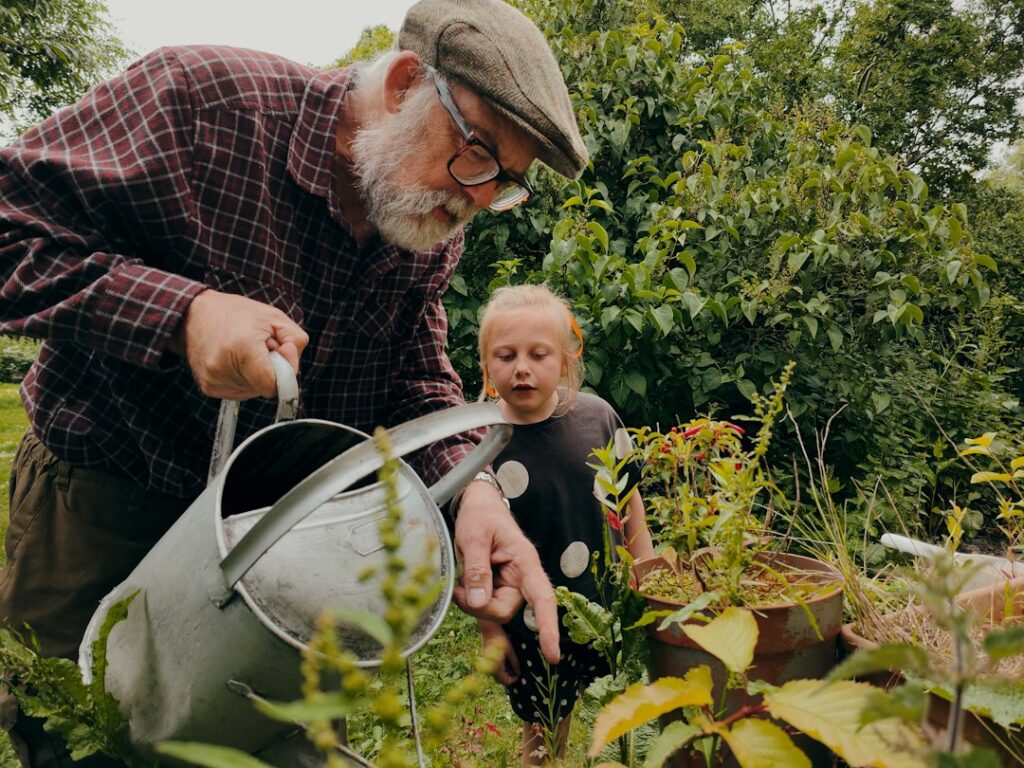
- Plant seeds or care for indoor containers
- Write letters or create greeting cards
- Discuss local traditions and seasonal memories
Repeated contact is often more valuable than a single special event. Familiarity allows relationships to develop and helps younger participants become more comfortable speaking with older adults who may have memory, hearing, or mobility challenges.
What do younger people gain from visiting assisted living residents?
Intergenerational programs are not designed only for the benefit of older adults. Children and teenagers may develop greater patience, empathy, listening skills, and confidence through regular contact with older people.
Young participants can learn that older adults have varied personalities, interests, abilities, and opinions. This may challenge the misconception that assisted living residents are all alike or unable to participate in meaningful activities.
Younger visitors may also gain practical knowledge. Residents can discuss historical changes, family traditions, military service, trades, music, holidays, cooking, transportation, or the ways households managed daily life before modern technology became common.
For students, these conversations can support school projects and personal development. For families, they can create a bridge between generations who may not live close to one another or see each other regularly.
Which activities work best for different ability levels?
The most effective activities are flexible. They allow residents to participate by talking, watching, moving, creating, or helping in another way. A person who cannot stand for long periods may still lead a discussion, sort materials, sing, or make choices for a group project.
Useful options include:
Conversation-based activities
These may involve memory prompts, family photographs, seasonal questions, or discussions about favorite foods and music. Questions should be open-ended but not demanding. A resident should never feel pressured to recall dates or personal information.
Creative activities
Drawing, painting, paper crafts, decorating, and simple building projects can be adapted for different hand strength and vision levels. Larger materials, easy-grip tools, and clear instructions can make participation more comfortable.
Music and movement
Singing familiar songs, listening to different types of music, clapping rhythms, or doing seated movement exercises can involve residents and visitors together. Music may encourage participation even when conversation is difficult.
Practical learning
Residents can teach younger participants how to fold clothing, prepare a simple no-cook snack, play a traditional game, care for a plant, or complete a household task. Safety and supervision are necessary whenever tools, food, or outdoor spaces are involved.
Reading and storytelling
Short books, poems, personal narratives, and oral history projects give participants a shared focus. Younger readers can read aloud, while residents can respond with memories or questions.
How should activities be planned for safety and comfort?

Good planning protects both residents and visitors. Activities should account for mobility, hearing, vision, memory, infection-control needs, allergies, fatigue, and personal boundaries.
Helpful planning practices include:
- Keep sessions reasonably short, with breaks available.
- Provide seating with clear walking paths.
- Reduce background noise so conversations are easier to follow.
- Use large-print instructions and high-contrast materials when needed.
- Avoid requiring personal disclosure or physical contact.
- Supervise younger children appropriately.
- Check food ingredients and possible allergies before serving anything.
- Stay alert to seasonal illness and facility health guidance.
- Offer an alternative for residents who prefer quiet or one-to-one participation.
A resident should be free to observe without joining in. Participation is more meaningful when it is voluntary and respectful.
What are common misconceptions about intergenerational programs?
One misconception is that residents must be grandparents to connect with children. Many older adults enjoy helping younger people learn even if they do not have grandchildren, while some residents may prefer interacting with teenagers or adults.
Another misconception is that activities must be elaborate. Simple routines, such as a weekly conversation table or shared reading period, may create stronger connections than an occasional large celebration.
It is also inaccurate to assume that memory loss prevents meaningful interaction. A resident living with dementia may respond warmly to music, visual materials, rhythm, or a calm visitor even if names and details are difficult to recall. Activities should focus on comfort and engagement rather than testing memory.
How can families support meaningful connections?
Families can share information about a resident’s interests, preferred conversation topics, abilities, and limits. A short note about favorite music, former hobbies, military or work experiences, or meaningful traditions can help activity leaders create better matches.
Family members may also encourage children to ask respectful questions and listen without correcting every detail. The goal is conversation, not an interview or performance.
For residents in Mahanoy City, maintaining community ties may be especially valuable when family members live elsewhere, transportation is limited, or winter conditions make frequent travel difficult. Letters, recorded messages, supervised video conversations, and scheduled indoor visits can help maintain connection when in-person activities are not practical.
How can success be measured?
Success is not measured by how loud, busy, or crowded an activity becomes. More useful signs include whether residents appear comfortable, whether they return voluntarily, whether conversations continue afterward, and whether participants begin recognizing one another.
Staff and families can watch for changes such as:
- A resident showing more interest in the daily schedule
- More spontaneous conversation
- Increased willingness to try an activity
- Positive emotional responses during or after visits
- Younger participants asking to return
- New friendships or regular visitor-resident pairings
Intergenerational activities work best when they are treated as relationships rather than programs. With thoughtful planning, they can give older adults meaningful roles, help younger people develop empathy and confidence, and make assisted living feel more connected to the surrounding community.
