
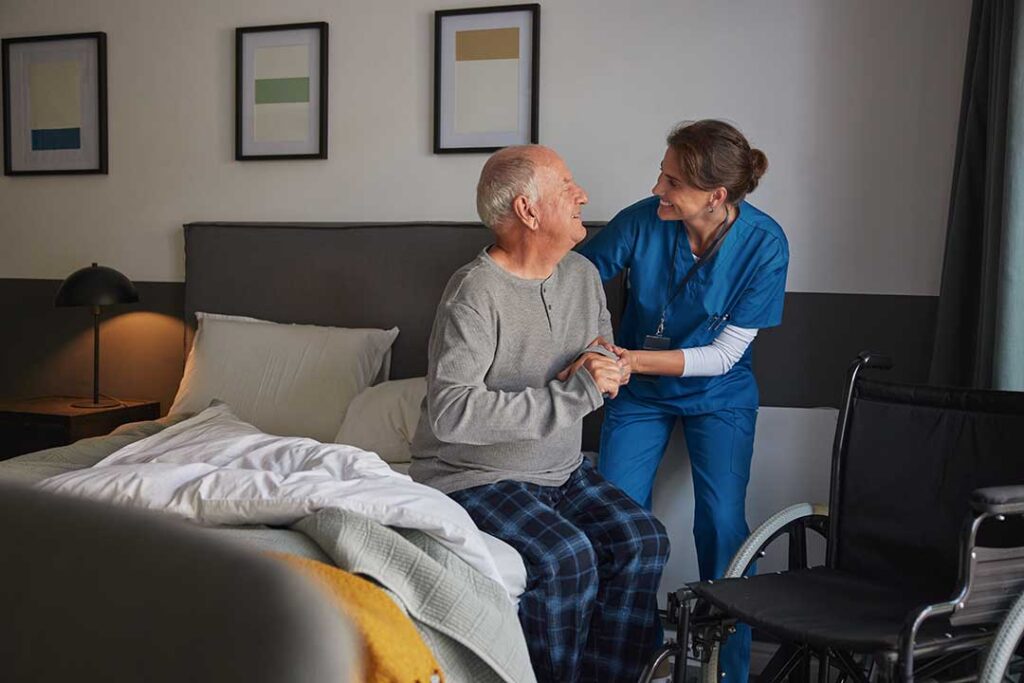
Assisted living is often discussed through assumptions rather than facts. Families may worry that moving means giving up independence, losing privacy, or entering a nursing home. In reality, assisted living can take different forms, and the right setting depends on a person’s health, daily needs, preferences, finances, and available support.
For residents of Mahanoy City, PA, understanding what assisted living does—and does not—provide can make conversations about future care more practical and less stressful.
Myth: Assisted living is the same as a nursing home
Assisted living and nursing homes serve different purposes. Assisted living generally supports people who need help with daily activities but do not require continuous skilled nursing care.
A resident may receive assistance with:
- Bathing, dressing, or grooming
- Medication reminders or medication assistance
- Meals and hydration
- Housekeeping and laundry
- Mobility and transfers
- Transportation or organized activities
Nursing homes are designed for people with more complex medical needs, rehabilitation requirements, or ongoing nursing supervision. Some assisted living settings may offer memory support or limited health services, but they are not substitutes for hospitals or skilled nursing facilities.
The distinction matters because a person’s needs can change. A setting that is appropriate today may not be sufficient later, so families should ask how changes in health are handled.
Myth: Moving to assisted living means losing independence
Assisted living is intended to provide support while preserving as much independence as practical. Assistance is usually based on the individual’s needs rather than applied identically to every resident.
For example, one person may need help only with medication organization and transportation, while another may need support with bathing and mobility. Residents may still choose what to wear, how to spend free time, which activities to attend, and when to rest.
Independence does not always mean doing everything without help. It can also mean having the safety, routine, and support needed to make personal choices without unnecessary risk.
In a community where winter weather can affect sidewalks, travel, and household safety, help with transportation, building access, or daily tasks may allow an older adult to remain active rather than becoming isolated at home.
Myth: Assisted living is only for people who are seriously ill
Many residents enter assisted living because everyday tasks have become difficult, tiring, or unsafe—not because they are seriously ill. Common reasons include repeated falls, difficulty preparing meals, missed medications, loneliness, or trouble maintaining a home.
A person may still be socially engaged, mentally alert, and capable of making personal decisions. Needing help with housekeeping or showering does not automatically mean someone is medically fragile.
Assisted living may also be considered after a hospitalization, injury, or major change in family circumstances. The goal is often to create a safer and more manageable routine before a crisis occurs.
Myth: Everyone in assisted living has memory loss
Memory loss is not a requirement for assisted living. Many residents have clear thinking and live there because they need help with physical tasks, medication routines, meals, or transportation.
Memory care is a specialized type of support for people with Alzheimer’s disease or other forms of dementia. It may include additional supervision, secured areas, structured routines, and staff training focused on cognitive impairment.
Families should ask whether a setting separates or accommodates different levels of memory support. A person with no memory impairment may prefer an environment that emphasizes independence and varied activities, while someone with dementia may need more structure.
Myth: Residents have no privacy
Privacy depends on the residence, the floor plan, and the resident’s preferences. Assisted living may offer private apartments, studios, or shared units. Residents generally have personal living space, belongings, and the ability to spend time alone.
Before choosing a setting, families can ask:
- Can residents lock their doors?
- Are private bathrooms available?
- How are staff visits handled?
- Can residents bring familiar furniture?
- Are there quiet areas for reading, prayer, phone calls, or visitors?
- What rules apply to overnight guests?
Privacy also includes dignity during personal care. A resident should understand what assistance will be provided and how staff protect personal boundaries.
Myth: Assisted living is like living in a hospital
Assisted living is usually designed as a residential environment, not a medical ward. Daily life may include meals, social programs, common areas, outdoor spaces, and opportunities for residents to maintain familiar routines.
Staff may be present around the clock, but that does not mean every resident receives medical treatment throughout the day. The level of supervision varies according to the residence and the services offered.
This is an important question for households in older homes or rural areas, where maintaining stairs, heating systems, snow removal, and household repairs can become increasingly difficult. Assisted living may address some daily living challenges, but families should confirm exactly which responsibilities are included.
Myth: Residents cannot bring personal belongings or follow familiar routines
Many assisted living settings encourage residents to personalize their rooms or apartments. Familiar photographs, chairs, blankets, books, and small household items can make a transition feel less disruptive.

There may be limits involving space, safety, electrical equipment, or furniture dimensions. However, the general purpose is to create a livable personal environment rather than remove all signs of home.
Routines can often continue as well. A resident may still enjoy morning coffee, religious observance, phone calls with family, hobbies, television, reading, or time outdoors. The practical question is whether the setting can support those routines safely.
Myth: Family members are no longer needed
Assisted living can reduce the amount of hands-on care families provide, but it does not eliminate the importance of family involvement. Relatives often remain involved in decision-making, visits, emotional support, appointments, financial planning, and communication about changing needs.
Family participation can be especially useful during the first weeks after a move. New routines may take time to understand, and a resident may need help identifying clothing, arranging personal items, or expressing preferences.
Families should also avoid assuming that staff will know every personal history or preference immediately. Sharing information about routines, communication style, food preferences, mobility concerns, and warning signs can improve continuity of care.
Myth: Assisted living costs the same for everyone
Costs vary widely because services and housing arrangements differ. A basic monthly charge may not include every form of assistance. Additional fees may apply for medication management, personal care, transportation, specialized memory support, or other services.
A written fee schedule should explain:
- What is included in the base amount
- How care levels are determined
- Whether fees change as needs increase
- How medications and supplies are handled
- What happens during a temporary hospital stay
- Whether there are move-in, meal, or transportation charges
Families should also consider expenses that may decrease after a move, such as home maintenance, utilities, transportation, meal preparation, or paid in-home help. Comparing only the monthly housing cost can produce an incomplete picture.
Myth: A person must wait for a crisis before considering assisted living
Waiting until a fall, missed medication, kitchen accident, or sudden caregiver exhaustion can make decisions more rushed. Exploring options earlier allows the older adult to participate in the discussion and identify what matters most.
A practical review can begin with daily questions:
- Is the person eating regularly?
- Are medications taken correctly?
- Are falls or near-falls occurring?
- Is the home becoming difficult to maintain?
- Is isolation affecting mood or safety?
- Can the person respond to an emergency?
Considering assisted living is not a commitment to move. It is a way to understand available levels of support before circumstances become urgent. For many households, the most useful decision is not whether help is needed in general, but which tasks require assistance now and which may require more support later.
